
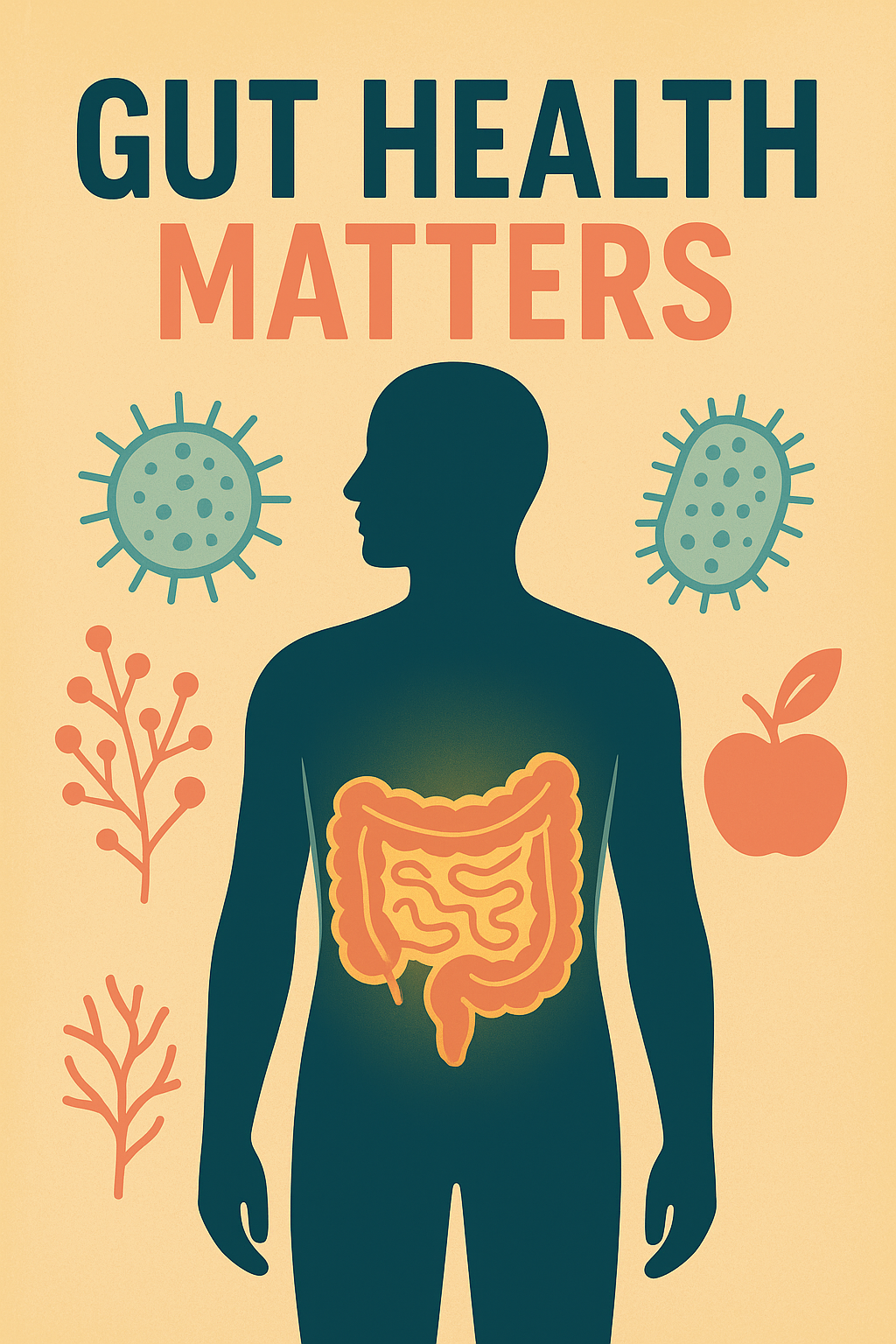
Over the past decade, the term gut health has moved from obscure medical circles into mainstream wellness conversations. In 2025, it’s not just a trending topic — it’s a scientific revolution reshaping how we understand overall health. Researchers now know that the gut is far more than a digestive organ. It’s home to trillions of microorganisms that influence everything from your mood to your immune system.
This complex ecosystem, known as the gut microbiome, plays a critical role in how you think, feel, and function every day. Whether you’re striving for better mental health, stronger immunity, or balanced energy levels, understanding your gut may be the key to achieving long-term wellness.
-
What Exactly Is the Gut Microbiome?
The gut microbiome refers to the vast community of bacteria, fungi, viruses, and other microorganisms living primarily in your intestines. Together, they create a living ecosystem that helps digest food, produce essential nutrients, and protect against harmful invaders.
A healthy microbiome is diverse — meaning it contains many different types of bacteria working together in harmony. When this balance is disrupted (a condition called dysbiosis), it can lead to inflammation, digestive discomfort, and even chronic diseases.
The fascinating part? Each person’s gut microbiome is as unique as their fingerprint. Factors like diet, stress, sleep, and antibiotic use can all shape this delicate ecosystem — for better or worse.
-
The Gut-Brain Connection: How Your Microbiome Shapes Mood
One of the most surprising discoveries in modern health science is the gut-brain axis — a two-way communication system between your digestive system and your brain. This link explains why your stomach might flutter before a big presentation or why stress can lead to stomach pain.
Researchers have found that about 90% of serotonin, the “feel-good” neurotransmitter, is actually produced in the gut. Beneficial bacteria help regulate this process, influencing mood, emotional stability, and cognitive performance.
When the microbiome is out of balance, it can trigger inflammation and affect neurotransmitter production, potentially contributing to conditions like anxiety, depression, and brain fog.
Conversely, nurturing your gut through a healthy diet and lifestyle can enhance mood, reduce stress, and even improve sleep quality. In 2025, mental health specialists are increasingly incorporating gut health assessments and nutrition-based therapies into treatment plans for emotional well-being.
-
Gut Health and Immunity: Your Microbial Shield
Roughly 70% of your immune system resides in the gut. This means that the state of your microbiome directly impacts how well your body fights off illness.
Beneficial gut bacteria act as gatekeepers, training your immune cells to distinguish between friend and foe. When the microbiome is balanced, it helps maintain a strong yet appropriately regulated immune response. However, when dysbiosis occurs, the immune system may become overactive — leading to inflammation, allergies, or autoimmune disorders.
Recent studies show that people with a diverse gut microbiome tend to recover faster from infections and experience fewer inflammatory conditions. It’s a powerful reminder that boosting immunity isn’t only about taking supplements — it’s also about feeding the beneficial microbes that protect you from within.
-
Digestive Health and Nutrient Absorption
Beyond mood and immunity, your gut microbes are essential for breaking down food and extracting vital nutrients. They help your body produce vitamins like B12 and K, as well as short-chain fatty acids that nourish your intestinal lining.
When gut bacteria are imbalanced, digestion becomes less efficient. You may experience bloating, constipation, diarrhea, or nutrient deficiencies — all signs that your internal ecosystem needs attention.
Maintaining digestive harmony starts with what you eat. Diets rich in fiber, prebiotics, and probiotics support the growth of beneficial bacteria, creating an environment where your gut — and entire body — can thrive.
-
Foods That Support a Healthy Microbiome
A thriving microbiome begins on your plate. Here are some science-backed dietary habits that promote gut health:
-
Eat more fermented foods – Yogurt, kefir, sauerkraut, kimchi, and miso introduce live probiotics that help replenish beneficial bacteria.
-
Include prebiotic fibers – Foods like garlic, onions, bananas, oats, and asparagus feed the good bacteria already living in your gut.
-
Focus on plant diversity – The more types of plants you eat, the more types of bacteria you’ll support. Aim for 30+ plant-based foods per week.
-
Reduce processed foods and sugars – These can feed harmful bacteria, leading to inflammation and microbial imbalance.
-
Stay hydrated – Water supports digestion and helps beneficial microbes flourish.
By combining these habits, you can build a stronger, more resilient gut environment over time.
-
Stress, Sleep, and the Microbiome
While diet is crucial, lifestyle habits also play a major role in gut health. Chronic stress, poor sleep, and sedentary behavior can disrupt the microbiome, increasing inflammation and weakening immunity.
Stress hormones like cortisol can alter bacterial diversity, while lack of sleep may reduce beneficial microbes that regulate mood and metabolism. Regular exercise, meditation, and adequate rest can help restore this balance.
Interestingly, emerging research suggests that gut microbes themselves can influence how you cope with stress — meaning a healthy gut may actually make you more resilient in the face of life’s challenges.
-
The Future of Gut Health: Personalized Nutrition and Microbiome Testing
In 2025, gut health has become a key frontier in personalized wellness. Advanced microbiome testing allows individuals to analyze their unique bacterial composition and receive customized dietary recommendations. AI-powered nutrition apps now track your meals, stress levels, and digestive responses to predict how your microbiome reacts to certain foods.
This combination of biotechnology and artificial intelligence is paving the way for truly individualized health plans — where gut data informs everything from mental wellness strategies to immune support.
-
Conclusion
Your gut is far more than a digestive organ — it’s a dynamic, intelligent ecosystem that influences nearly every aspect of your well-being. From boosting mood and mental clarity to strengthening immunity and digestion, your microbiome acts as a central hub for total-body health.
Caring for your gut means caring for yourself. Through mindful eating, stress management, and adequate rest, you can cultivate a thriving microbiome that supports not just longevity, but also happiness and vitality.
So next time you reach for a meal, remember: you’re not just feeding yourself — you’re nourishing trillions of tiny allies working tirelessly to keep you healthy from the inside out.